Don't Let Your Travel Insurance Company Deny Your Claim!
By Editorial Team4 min read
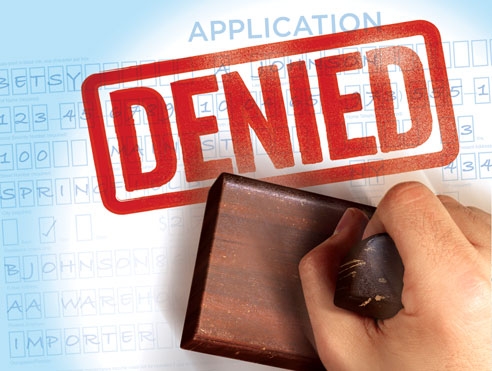
Many travellers assume everything is covered when they buy travel insurance, but that's not always necessarily the case. We constantly hear stories about travellers claims being denied. Most often, denied claims result when travellers misunderstand their insurance policy.
When you buy travel insurance, you enter into a legal contact. The policy certificate from your insurance company outlines all of the fine print that can help you understand what your policy covers and doesn't cover.
Here are some of the most common reasons travel insurance claims are denied.
Purchase Insurance Before Leaving
Almost all travel insurance policies require that you purchase your travel insurance before leaving on your trip.
Pre-existing Conditions
Be careful with pre-existing conditions. Insurance companies may deny a claim if you had knowledge that a condition (diagnosed by a doctor or not) could cause you to make a claim on you trip.
In addition, any condition that appears from the time you buy your insurance to the time you start your trip may be counted as a pre-existing condition, even if you didn't know about it at the time you purchased your insurance.
Pregnancy is often considered a pre-existing condition by many travel insurance companies.
You can determine if pre-existing conditions are covered by reading a review, like Allianz travel insurance reviews, and looking carefully at the travel insurance policy.
Questionnaire
Answer medical questionnaires truthfully and carefully. You could have a claim denied for filling out a questionnaire incorrectly.
Call Before Treatment
Always call your travel insurance company before you receive emergency medical treatment. If you can't call, get someone to call on your behalf, if at all possible. Your insurance company can deny a claim or reduce the amount they'll pay if you don't call before treatment.
Extensions of Coverage
Generally, your coverage will automatically extend if you need to delay your return due to a medical emergency. If your return is delayed for a medical emergency, get in touch with your insurance company as soon as possible.
Some companies may not offer this automatic extension, or may have time limits on the extension.
Common Exclusions
Travel insurance policies often have a list of common exclusions. You can find these in the policy certificate in a section entitled General Policy Exclusions (or something similar). If you injure yourself when engaged in any of these, your travel insurance company probably won't cover you.
-
Self-inflicted injuries. While this includes attempted suicide, it also can refer general stupidity. If you decide to climb to the mouth of an active volcano when guides have warned you it may be dangerous, guess what? Your insurance probably won't cover you.
-
Adventure sports. Many insurance companies will not cover you if you participate in activities like bungee jumping, parachuting, mountain climbing or scuba diving (although you may be covered if you hold a basic scuba designation - check your policy).
-
Drug or alcohol use. If you fall down stairs and break your leg after five martinis, your insurance probably won't cover you.
-
Criminal activities. This includes any injuries you get while committing, or attempting to commit, a criminal offence.
-
Participating in a riot or civil disorder. If you injure yourself during a protest, you may not be covered.
Incomplete Documentation For A Claim
Failing to complete the insurance company's claim documentation completely, and in time, results in a lot of claims being denied. Even if the insurance companies requests seem ridiculous, fill out the paperwork they ask.
Trip cancellations require a doctor's confirmation letter. If at all possible, contact the insurance company before going to the doctor, as they may require a special form.
You can avoid delays and denials of claims by contacting the insurance company early, and keeping all receipts and documentation.
Reason For Cancellation Not Covered
While most trip cancellation policies cover cancellation if you, or your travelling companion, fall sick (and get a doctor's note), many do not cover cancellation for other reasons. Other common reasons allowed for cancellations are being laid off from your job (though you often need to be employed for a specific amount of time), hurricanes and terrorist incidents.
Your travel insurance policy will list all the allowable reasons for cancellation. If something isn't on the list, it won't be covered.
You can get a cancel for any reason rider on many travel insurance plans. It costs more money, but will let you be reimbursed if you cancel a trip for any reason.
Provincial Health Insurance Plan
Every Canadian travel insurance policy we're investigated requires that you are covered by a government health insurance plan for the full duration of your trip. If you don't have provincial health insurance coverage during your trip, you may not be covered under your travel insurance, or your benefits may be severely cut.
Read Your Policy
You can increase your chances of a claim being accepted if you carefully read your policy and buy early.
Comparison websites, like BestQuote Travel Insurance, let you compare quotes for travel insurance from several different companies at once. Type in a few details about your trip, and compare policy coverage and prices to help narrow down your choice.
Paying for Foreign Transaction Fees? You're paying too much
Using a credit card as you travel? It's the smartest way to go but not if you're paying a hidden foreign exchange fee.
August 10, 2016
Important Travel Insurance Info to Take on Your Next Holiday
Accidents happen, whether at home or abroad. Make sure you carry this information with you just in case you need it.
May 4, 2016
Canadian Direct Pay Travel Insurance And Why You Want It
Direct Payment insurance policies aren't universal in Canada yet however more and more companies are starting to get on board. We take a look at why that's a
March 17, 2016